Authors
11 authors
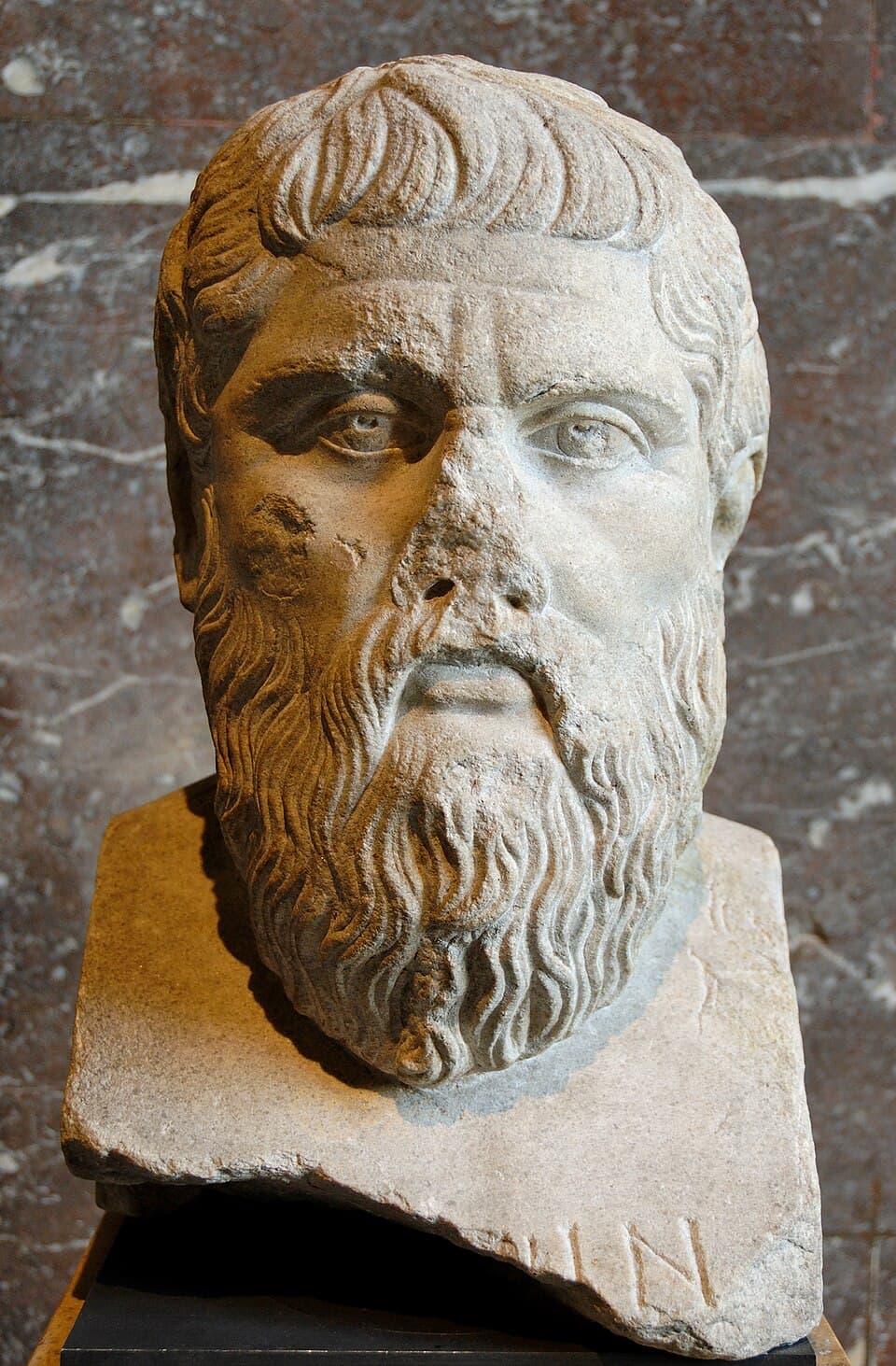
Plato
c. 428–347 BCAn Athenian writer whose philosophical conversations examine justice, knowledge, love, and what makes a good life.
45 available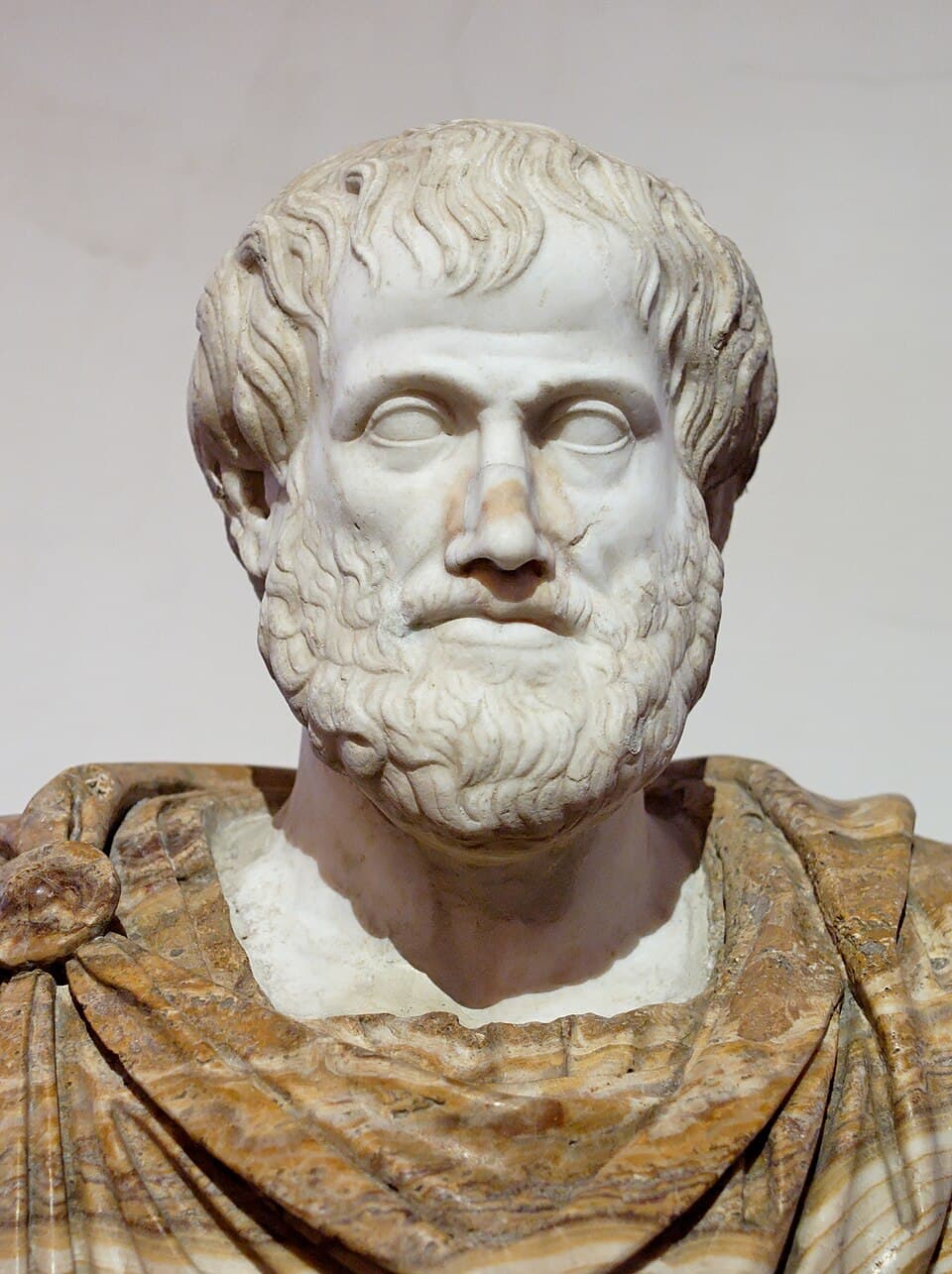
Aristotle
384–322 BCA Greek philosopher who studied living things, reasoning, and the conditions for human flourishing with remarkable breadth.
48 available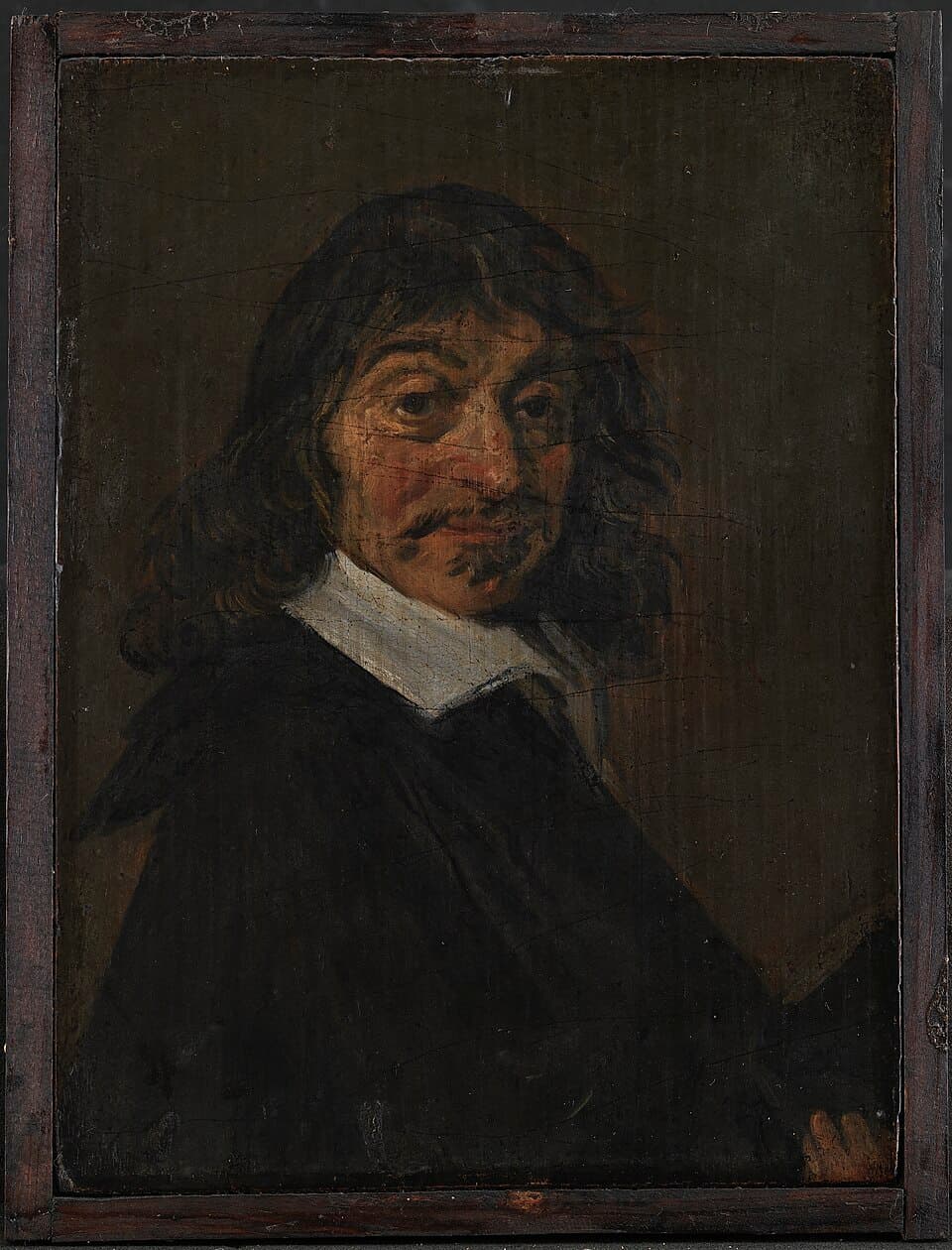
René Descartes
1596–1650A French mathematician and philosopher seeking dependable knowledge through doubt, and explanations of nature through universal laws.
12 available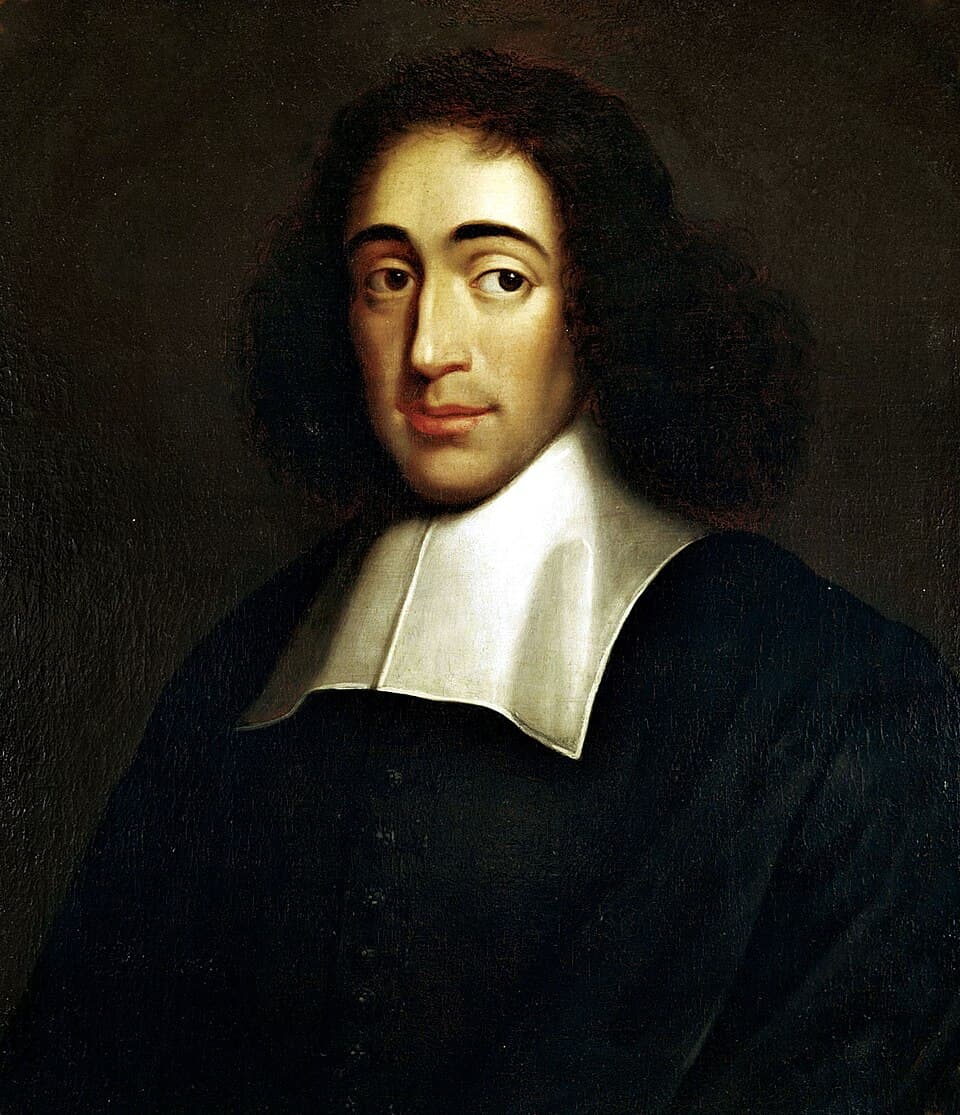
Baruch Spinoza
1632–1677An Amsterdam-born thinker connecting God and nature, human emotions, and the freedom to examine beliefs for ourselves.
8 available · 1 unavailable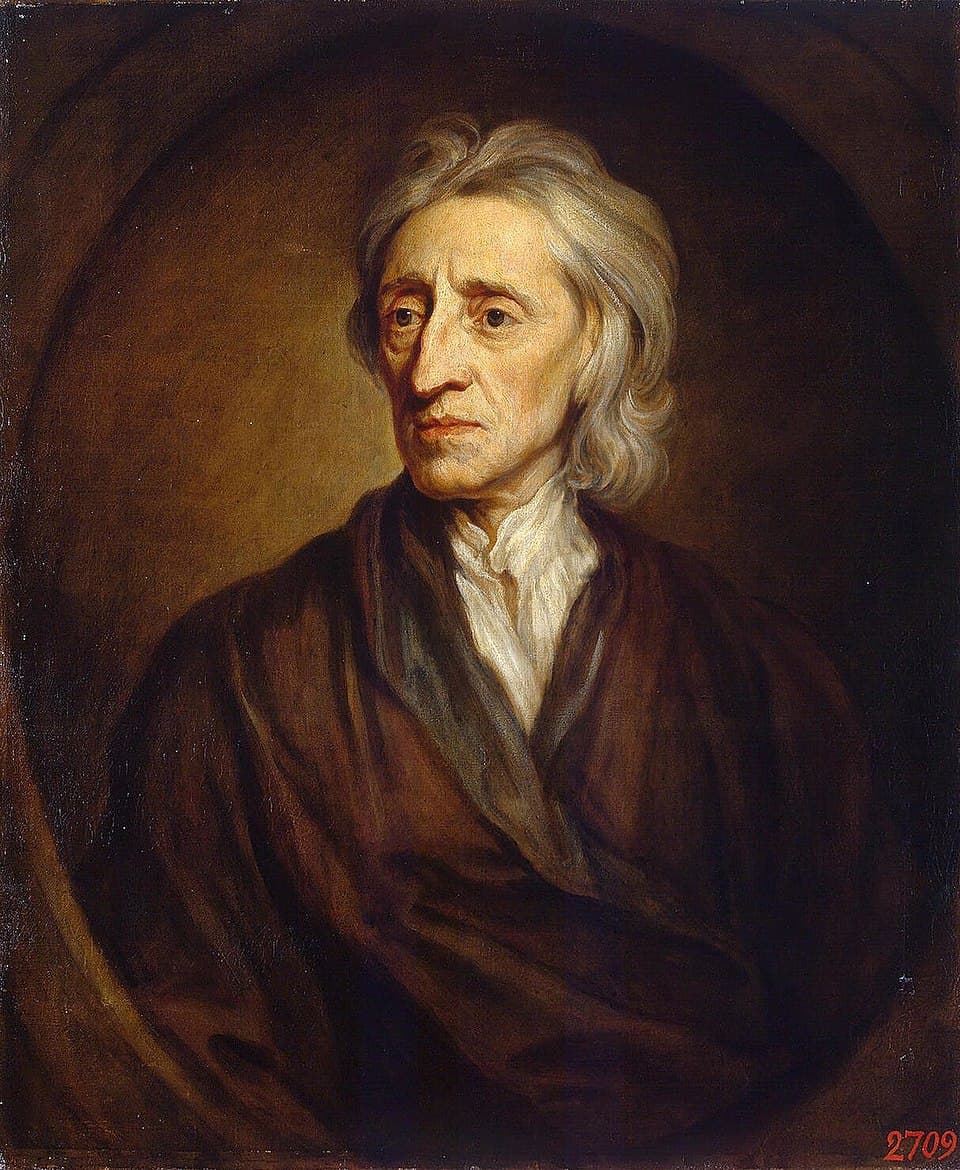
John Locke
1632–1704An English thinker investigating the limits of understanding, government by consent, and the grounds of religious toleration.
3 available · 5 under development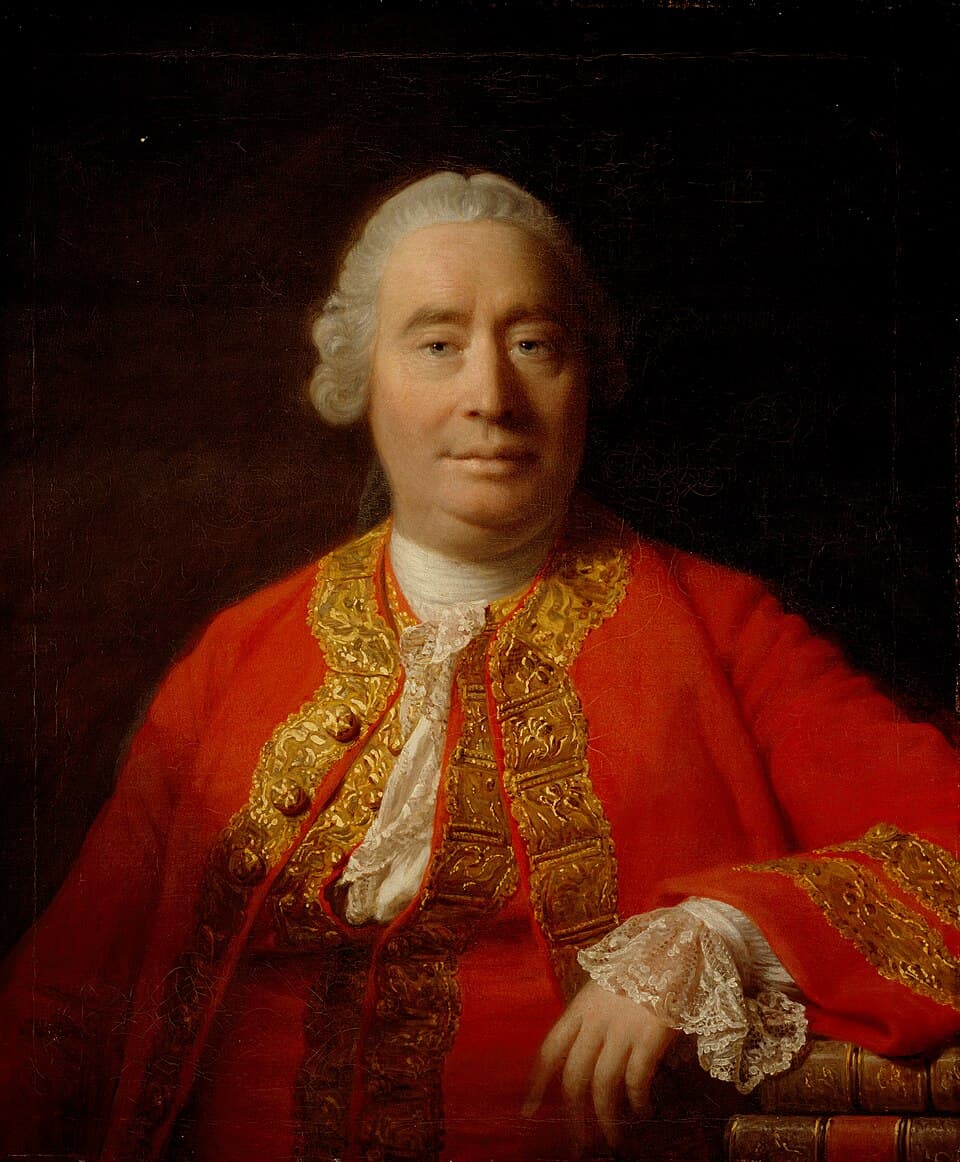
David Hume
1711–1776A Scottish philosopher examining how experience, habit, and feeling shape our beliefs and our judgements about human conduct.
2 available · 6 under development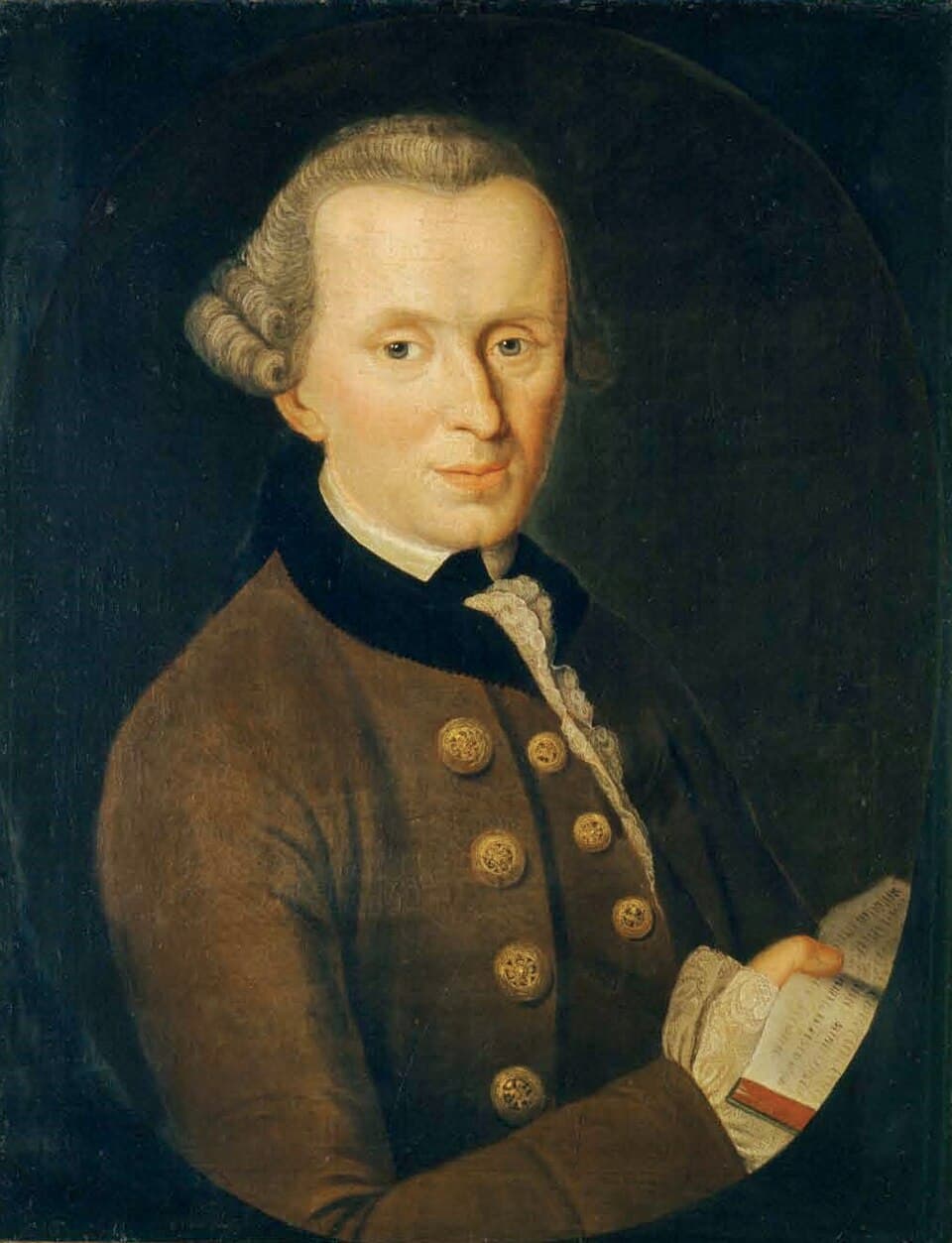
Immanuel Kant
1724–1804A Königsberg philosopher asking how knowledge is possible and what it means to act freely and morally.
1 available · 13 under development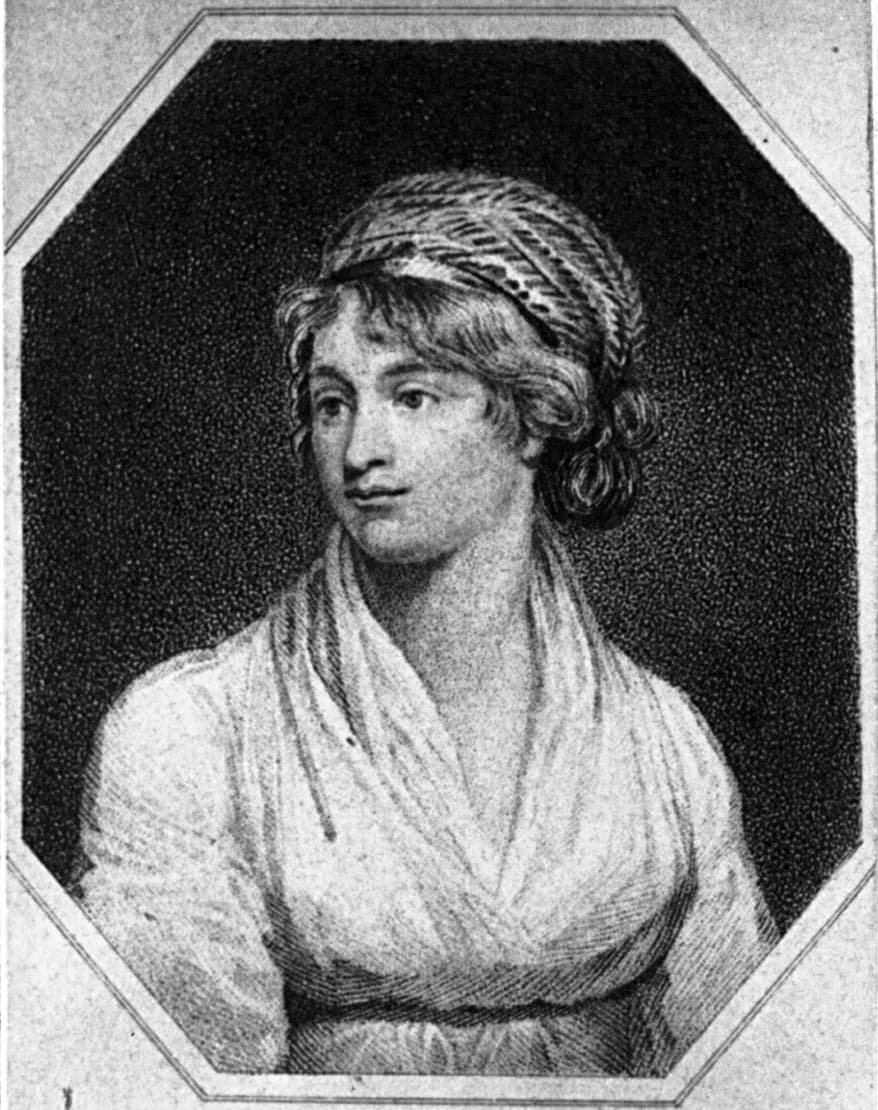
Mary Wollstonecraft
1759–1797An English writer connecting women’s education and independence with broader questions about reason, equality, and social life.
3 available · 5 under development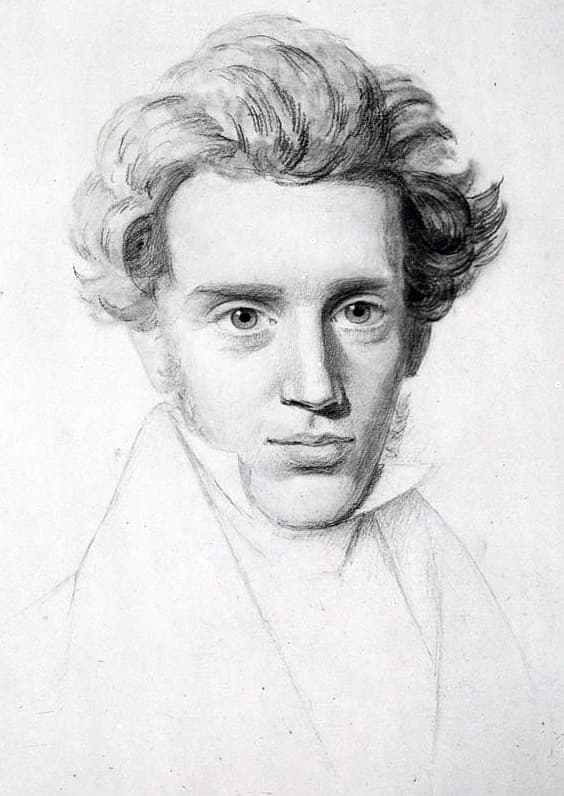
Søren Kierkegaard
1813–1855A Copenhagen writer exploring anxiety, commitment, and faith through voices that test different ways of living a life.
1 available · 13 under development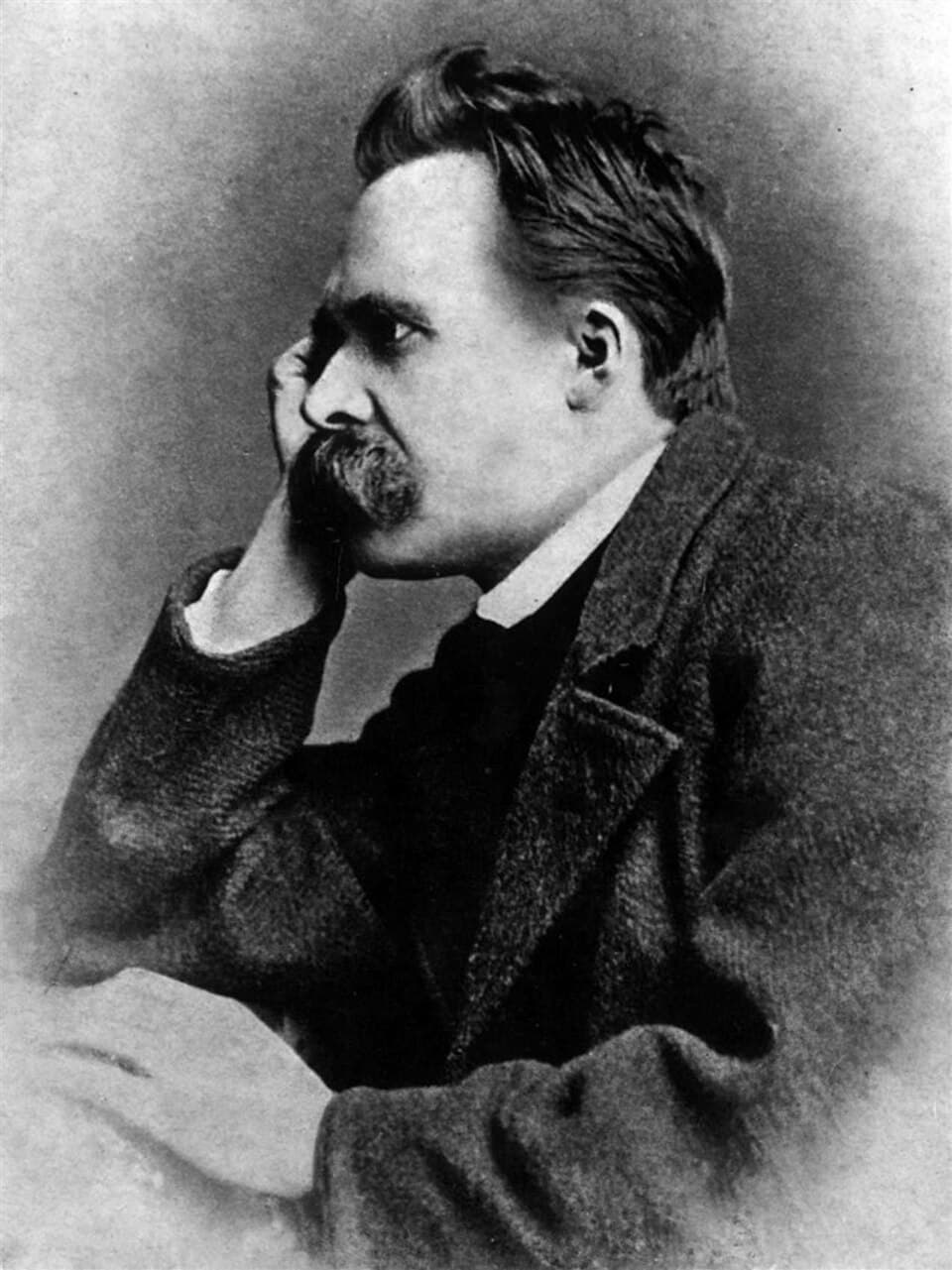
Friedrich Nietzsche
1844–1900A German philosopher and cultural critic probing inherited values, the forces beneath them, and possibilities for affirming life.
1 available · 13 under developmentUnnamed friend of Descartes
The unidentified contributor of the prefatory warning and two letters accompanying The Passions of the Soul in 1649. Adam and Tannery suggest the abbé Picot; that identification remains uncertain.
1 available